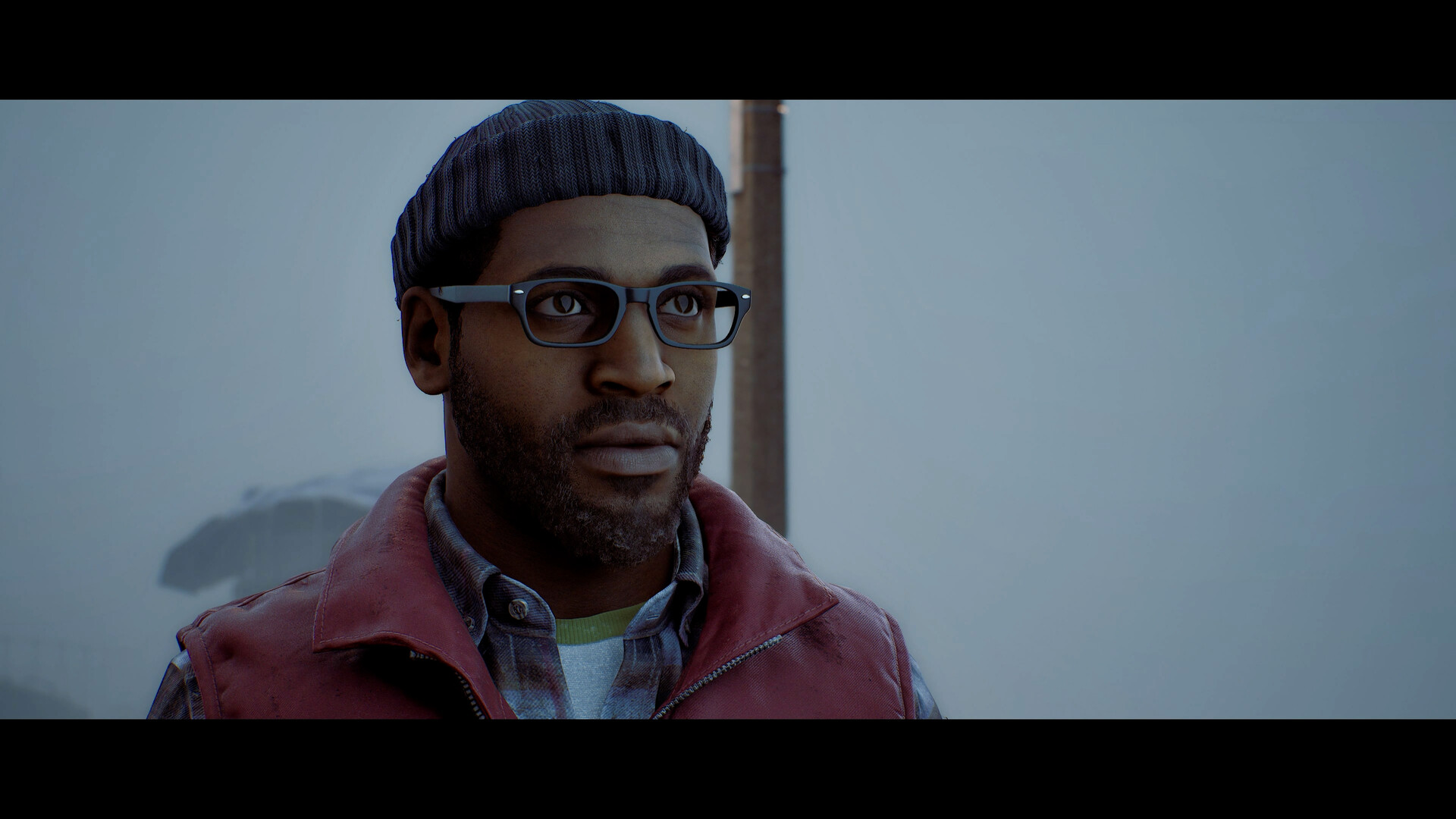
The sharpest first step in a horror game can be the one you take before reaching the first monster: lower the music, check the difficulty description, and learn where you are. That is the difference between a tense hour and an avoidable death. This SILENT HILL: townfall beginner guide lays out the first few hours in the order most newcomers will experience them, without pretending that you should rush through the fog.
First, know what you are stepping into
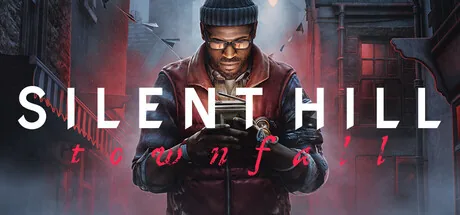
SILENT HILL: townfall is a first-person horror game from Konami and Screen Burn Interactive. It belongs to the Silent Hill series, but its development was deliberately separated from other recent entries: teams working on Silent Hill 2, Silent Hill f, and Townfall did not initially know what the others were building. Konami wanted the games to deliver different experiences. That makes Townfall worth approaching on its own terms rather than expecting every mechanic to match another Silent Hill release.
For a broader view of the game, the SILENT HILL: townfall game page is the central reference. The practical advice here focuses on preparation, the opening progression, and building confidence without turning your first session into a search through every unfinished puzzle.
Warning: patch 1.6.0, released on October 28, 2026, added a new Hard difficulty, adjusted resource availability across difficulty modes, made enemy sound sensitivity reflect the selected difficulty, displayed your position on the map in every mode, and reworked puzzle hints and tutorials. Check the version in the lower-right corner of the main menu; the official notice identifies v.1.6.155963 as the intended version. New players should use that updated build.
Before pressing Start: build a beginner-friendly setup

- Confirm the version first. Open the main menu and look for v.1.6.155963 in the lower-right corner. If you are on an older build, update before comparing difficulty or relying on the revised tutorial and puzzle prompts.
- Read every difficulty description. Version 1.6.0 clarified those descriptions, so do not rely on advice written for an earlier build. Start below the new Hard option if enemy detection and resource scarcity make you tense.
- Keep the map available. Your position now appears on the map in all difficulty modes. That is especially useful while learning routes, finding revisitable locations, and reducing the amount of time spent retracing steps.
- Decide how much guidance you want. The patch added new tutorial materials and reworked puzzle hints. Leaving them available is not a lesser choice; it lets you move forward while still learning how clues connect.
- Plan for sound. Enemy hearing sensitivity now depends on difficulty. Headphones can make danger easier to detect, but the safe choice is to keep the volume moderate enough that you can notice a sound without being startled by every background noise.
Pro tip: Write down whether you selected a difficulty that changes resource availability, enemy sensitivity, or the treatment of an enemy called Burden. That last weakness is limited to Story Mode in the patch notes, so do not assume it carries into other modes.
Your opening hour: move, look, listen, and record
The early game is best treated as a repeatable loop: explore, listen, inspect, solve, then move on. Horror games often punish blind sprinting, but this does not mean every room hides a lethal surprise. Use the map and clear clues to turn uncertainty into a manageable process.
- Survey before you search. Stand still long enough to identify exits, landmarks, and interactable objects. Then compare that route with the map. The new position marker gives you a useful anchor for building a mental map rather than memorizing every corridor.
- Treat sound as information. If an enemy reacts to sound, footsteps and nearby noises may matter. Stop before crossing an exposed area, and use that quiet moment to check your route and objective.
- Inspect the environment. Lighting, sound, objects, and environmental changes can all support a solution. Look for readable details, but do not confuse an atmospheric clue with a required item.
- Use resources deliberately. Version 1.6.0 adjusted resource availability in some sections to create a smoother difficulty curve. If your chosen mode makes supplies scarcer, collect what you understand, use what you need, and leave the rest until you have a reason to open it.
- Check the objective after every puzzle. Reworked hints are there to keep progress from becoming a hunt through clutter. Read them after a genuine attempt; if the solution still eludes you, reset, then use the hint in short increments.
Common mistake: Rushing straight toward the next objective. A brief map check may cost less time than backtracking through an unfamiliar street later.
When puzzles stop feeling like puzzles
Beginners often interpret a hard puzzle as a poorly explained mechanic. Sometimes that is true, but in Townfall the first stop should be the revised guidance system rather than a forum full of answers.
- Write down what changed. List the objects, sounds, and environmental details that occurred when the puzzle activated. Concrete observations are easier to test than a vague feeling that something is “wrong.”
- Separate the locked gate from the answer. A puzzle may sit in the same area as its solution, but a nearby door does not prove the nearby object is relevant. Work backward from what the mechanism requires.
- Use one hint at a time. A direct instruction can break the tension of discovery, while an immediate spoiler removes it. Try the environment first, then request the smallest useful prompt.
- Reset if the state becomes unclear. Reopening menus, examining instructions, or loading a previous checkpoint can be faster than continuing from a half-understood setup.
Warning: Do not save a “universal solution” from another Silent Hill game. The development separation was intentional, and the supplied patch information concerns Townfall’s own difficulty modes, map behavior, tutorials, and hints.
Your first session: four simple goals
Define success before the first hour begins. A strong beginner session should produce understanding rather than a long list of deaths.
- Goal one: learn the controls. Movement, camera control, interaction, map use, and menu navigation should feel routine before pressure rises.
- Goal two: solve one puzzle without assistance. If hints are needed, fine; make sure you can explain the clue afterward.
- Goal three: identify one safe route. Record the landmarks and map shape that connect two useful locations.
- Goal four: reach a checkpoint and stop. Fatigue makes players miss clues and misjudge threats. Ending while you still understand what happened is better than continuing until every sound becomes an error.
You do not need a complete route before moving on. The first session is about establishing a rhythm: observe, test a theory, check the map, and make a decision.
What the current data does—and does not—say
According to IVWORK’s snapshot, SILENT HILL: townfall had 0 listed live streams and 0 viewers at 13:00:05 UTC on November 3, 2026. For comparison, the same snapshot listed Minecraft at 74,394 viewers across 72 channels and Dota 2 at 62,444 across 66 channels. Townfall was also below Phantom Blade Zero, which showed 29,603 viewers across 75 channels.
Those figures are one moment, not a measure of the game’s lasting audience. Twitch-listed streams were zero, while Steam player data was unavailable. The snapshot therefore supports only a narrow conclusion: there was no visible live activity in that captured sample.
More broadly, Alinea Analytics estimated that Townfall had sold 404,000 copies, generating $20.2 million at a $50 price. The reported split was 70.9% of sales on PS5, while 42.8% of revenue came from physical copies. Those are third-party estimates reported after launch, not live-viewer measurements.
Opinion: treat the first week as a controlled experiment
My take: Townfall’s current numbers are less important than how clearly its recent patch supports a gentler onboarding curve. The map marker, clearer difficulty descriptions, new tutorials, and revised puzzle prompts all reduce a specific beginner problem: uncertainty caused by missing information. You still need to decide whether you want a horror game with a stricter resource balance or the new Hard mode, but you no longer need to guess what those options mean.
For the next three sessions, try this plan. First, complete one hour on a lower difficulty and mark the exact version in your notes. Second, solve one puzzle with hints disabled, then reconstruct the clue chain afterward. Third, compare your route and resource usage with a different difficulty after updating. Finally, browse the IVWORK article library for follow-up coverage before deciding whether Townfall’s pace and challenge match your preferences.
Data: IVWORK snapshot, November 3, 2026, 13:00 UTC; figures are a single-sample snapshot.